As a Cistercian monk, Thomas Merton kept a daily schedule that differed significantly from ours. He went to bed around seven and began his day with prayer at 2:30 in the morning. He stayed up through the darkness, praying and reading until he witnessed the sunrise. Though I have never tried to live this way, I often wonder how that experience would shape me. All those silent, dark hours with nothing between you and God followed by the glory of the sun rising, the light dispelling the darkness bringing warmth, safety, and companionship. It seems to me that if you lived this way, every day you would feel the power of the resurrection touch the deepest, darkest recesses of your being.
Merton valued the night. In his essay, Fire Watch, the epilogue of his monastic journal, The Sign of Jonas, Merton writes,
The Night, O My Lord, is a time of freedom. You have seen the morning and the night, and the night was better.
In a poem about solitude, Song if You Seek, Merton recommends,
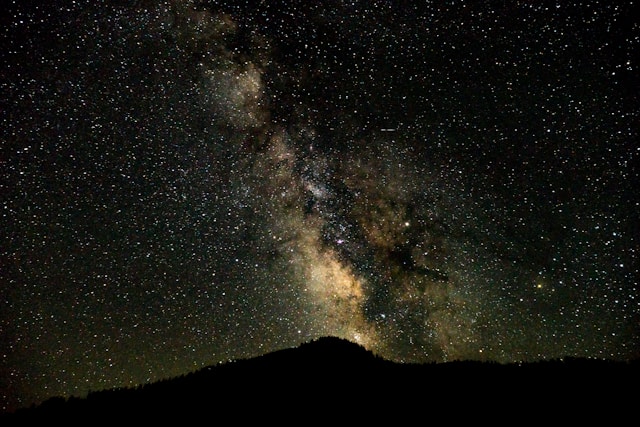
Look at the empty wealthy night.
Like my daily schedule, my experience of night differs markedly from Merton’s. If I am up in the middle of the night, it is because I am having trouble sleeping. On nights when I am not sure why I can’t sleep, I can sometimes open myself to the “empty wealthy night,” though I am also painfully aware that my sleeplessness will make the next day difficult.
Most of the time when I am awake in the middle of the night though, it is for troubling reasons. It is often because I have disturbing emotions that I have repressed and ignored during my schedule-packed waking hours. These troubling nights often happen in times of transition when I am challenged to let go of things that are dear to me, times when I cannot control what will happen, times when I am brought face to face with the uncertainty of life. Life contains joy, happiness, beauty, and wonder but also sadness, suffering, sickness, and death.
I remember profound feelings of sadness waking me in the middle of the night when my children were seniors in high school. The reality of the major change ahead for our family as each child left home for college required wrestling with unwelcome emotion in the dark of night. More recently the source of my wrestling has been realizing I am close to the end of my career. I recognize how little time I have left to accomplish all the work I hope to do. I struggle to accept that what I have accomplished is enough and that I can continue to work in small ways throughout the days left to me.
Letting go of illusions we have cherished since childhood, letting go of children we have raised, letting go of parents when they die, letting go of our plans for achievement and relevance in the world, letting go of our siblings and spouses when they die. All this letting go is difficult and challenging. It is a darkness that we cannot conquer, a darkness we cannot fully understand, a darkness that requires us to trust in light we cannot see. Perhaps the darkness of life can only be processed in the darkness of night.
I don’t think I will ever be able to find the night better than the morning or love the empty wealthy night as Merton did. But somehow, just naming the darkness as darkness, recognizing that my wakeful hours in the night are necessary for wrestling with the darkness of life, listening to the biblical and spiritual writers who tell me of God’s loving nearness in the dark spaces of life, helps me to face these times with a glimmer of hope. The night may not be better than the day, but I recognize the healing space it offers. It has taught me to live more fully from the belief that God is near to the brokenhearted (Ps 34:18) and brings treasure out of darkness.
I will give you the treasures of darkness and riches hidden in secret places, so that you may know that it is I, the Lord , the God of Israel, who call you by your name.
Isaiah 45:3